Five years ago, taking an idea from a whiteboard sketch to a deployed, production-grade application was measured in weeks or months. Today, for the right kind of problem, it’s measured in hours. That’s not hype. That’s what’s actually happening on engineering teams right now, and it’s quietly reshaping what it means to build software.
I lead engineering teams in a regulated fintech environment, and I’ve watched this shift happen in real time, both at work and in my own side projects. Here’s what’s changed, why it matters, and where I think we’re headed.
The New Development Loop
The traditional software development lifecycle was linear and slow. You’d write a PRD, hand it to design, design would hand mocks to engineering, engineering would scope it, build it, hand it to QA, push it through staging, and eventually ship. Every handoff added friction. Every handoff added time.
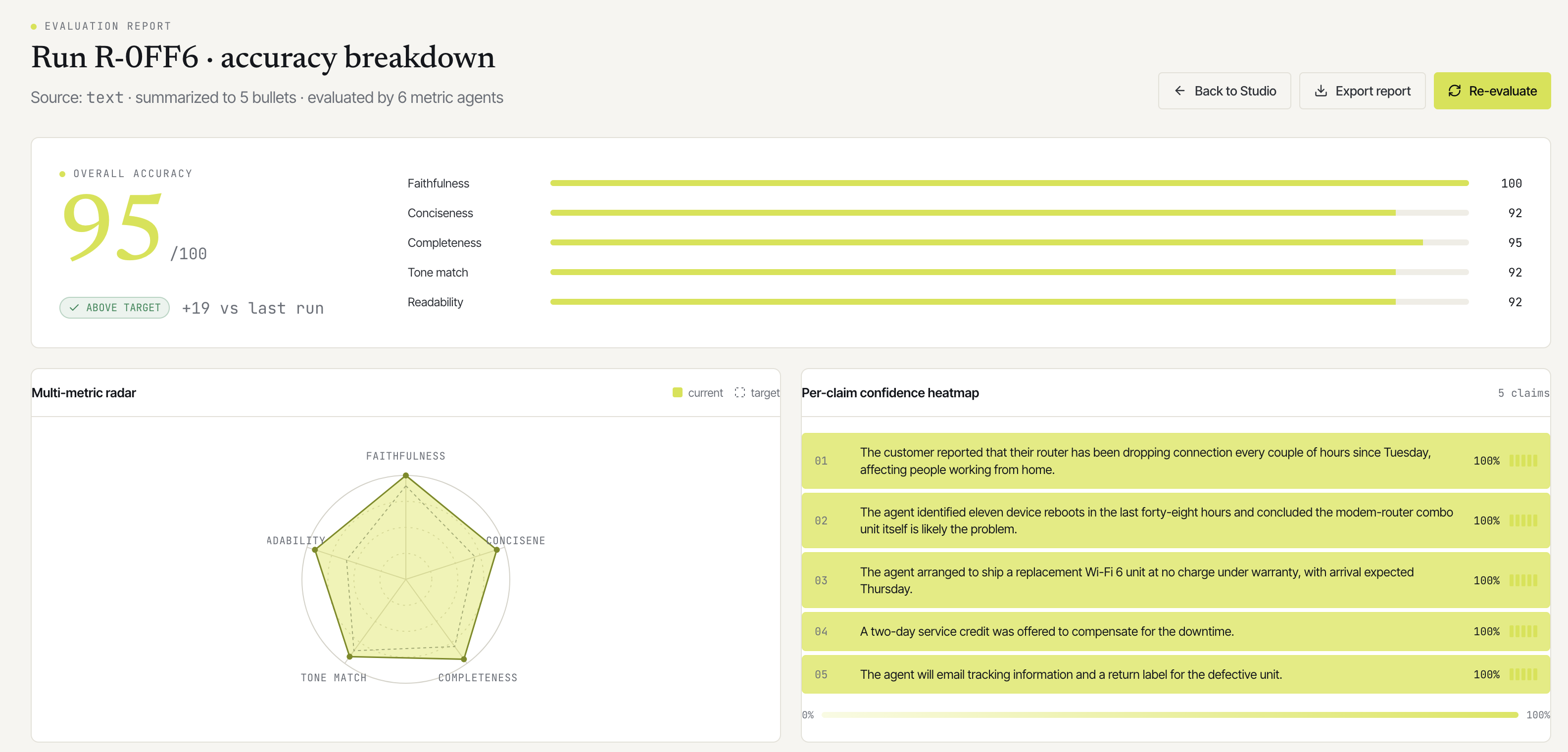
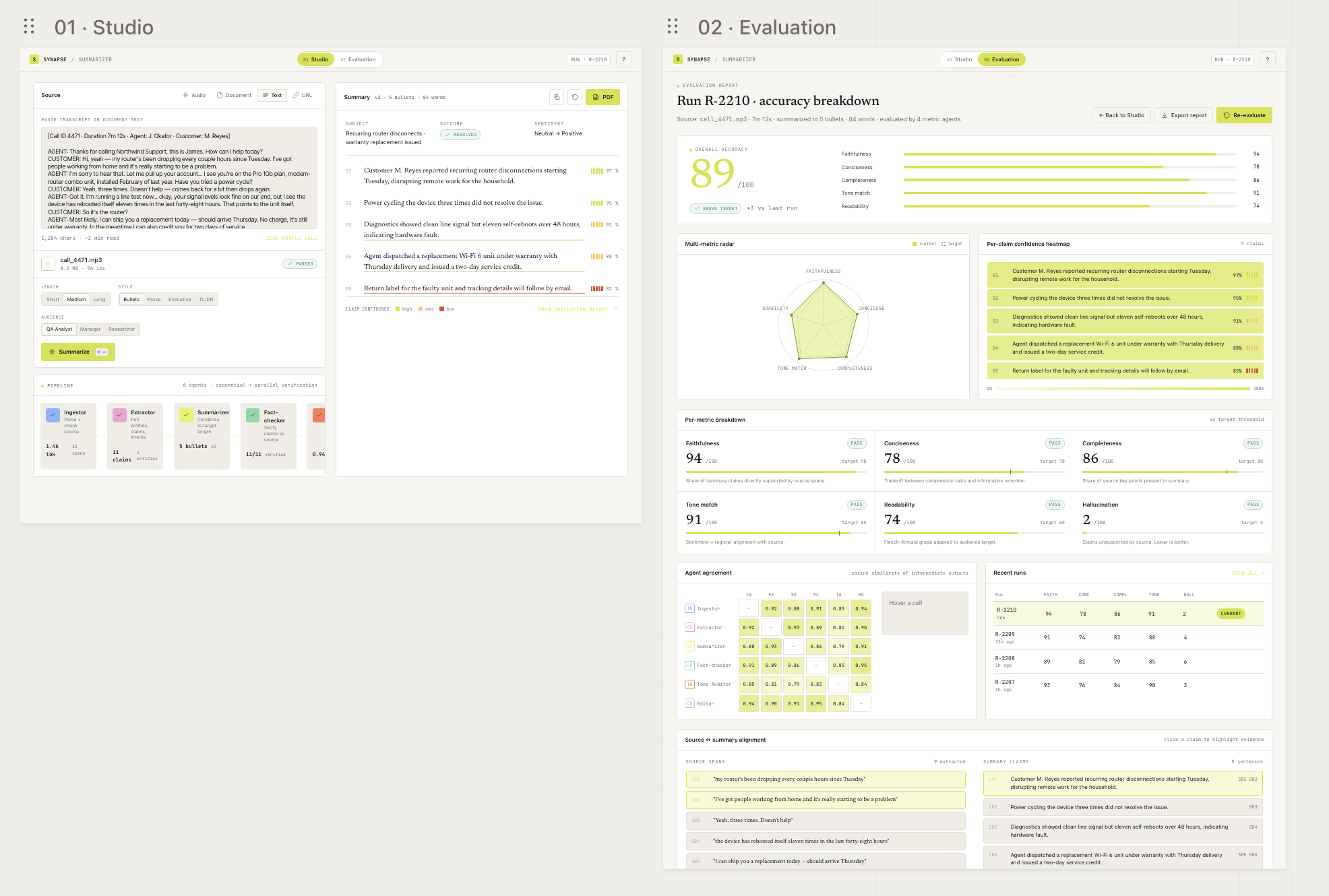
AI is collapsing that loop. An engineer can now sit down with an idea, open an AI-assisted IDE like Claude Code or Windsurf, describe what they want in plain English, and get a working prototype within an hour. Then they iterate, refactor, generate tests, write the deployment config, and push to a staging environment, all in the same session. The entire ideation-to-deployment cycle that used to require multiple specialists, multiple meetings, and multiple sprints can now happen with one engineer and a coffee.
This isn’t just about typing faster. It’s about removing the cognitive overhead of context-switching between thinking, designing, coding, testing, and deploying.
A Real Example: A Weekend Django Upgrade and Cloud Migration
Let me make this concrete with something that happened to me recently.
I had a personal Django project running on Vultr, sitting on Django 2.x. Few things went sideways at roughly the same time. First, I had to migrate off of Vultr and needed a new home for the app. Second, the app was several major versions behind on Django, with 5.2 being the current target and finally app needed UI refresh (Bootstrap 5 update). In the pre-AI era, this would have been a multi-weekend slog: untangling deprecations across three major Django versions, fixing breaking changes in middleware and ORM behavior, updating dependencies that had themselves changed APIs, and then separately figuring out a new cloud deployment from scratch.
I did the entire thing in a weekend.
AI handled most of the heavy lifting on the upgrade. It walked the codebase, flagged every deprecated pattern (think url() to path(), ugettext_lazy to gettext_lazy, the on_delete requirements that became mandatory in 2.x, the middleware signature changes, the auth backend updates), and generated the refactors. When tests broke, it diagnosed the failures, often correctly identifying that the failure was a behavioral change in Django itself rather than a regression in my code, and patched accordingly. The settings file got modernized. The requirements.txt got rewritten with version-compatible pins. Migrations were squashed and re-run cleanly.
While that was happening, I made the call to move to AWS instead of standing up another Vultr box. I picked Lightsail because the project didn’t need the full weight of EC2, RDS, and a load balancer, and Lightsail gave me a clean managed VM with predictable pricing. AI generated the deployment scripts, the Nginx config, the Gunicorn service file, the SSL setup with Let’s Encrypt, and a basic backup strategy. What used to be a “read three blog posts, copy-paste, debug for hours” exercise became a “describe what I want, review the output, run it” exercise.
By Sunday evening, the app was live on AWS Lightsail, running Django 5.2, with all tests green and SSL configured. That’s the shift. Not “AI wrote some code for me.” A complete framework upgrade plus a cloud migration, end to end, in a weekend.
Where the Real Productivity Gains Are Showing Up
The productivity story is more nuanced than the headlines suggest. AI doesn’t make every task 10x faster. It makes specific tasks dramatically faster, and those tasks happen to be the ones that used to slow teams down the most.
The biggest wins I’ve seen fall into a few categories. Boilerplate and scaffolding work, like setting up a new service, writing CRUD endpoints, or generating migration scripts, is now near-instant. Framework upgrades and dependency migrations, the kind of grinding work that used to consume entire sprints, are now manageable in a sitting. Code review and PR feedback can be augmented with AI to catch issues before a human ever opens the diff. Test generation, historically the thing engineers procrastinate on, becomes something the AI handles in parallel while you write the feature. Documentation, runbooks, and architecture diagrams, the artifacts that nobody loves writing but everybody needs, are now generated as a byproduct of the work itself.
The compounding effect matters more than any single gain. When boilerplate takes minutes instead of hours, engineers spend more time on the parts of the job that actually require human judgment: system design, tradeoff analysis, and understanding the business context.
Ideation to Production in Hours: What That Actually Looks Like
Here’s a workflow that would have been unthinkable three years ago.
Hour one: an engineer drafts a problem statement and sketches the desired outcome. The AI suggests three architectural approaches, weighs the tradeoffs, and recommends one based on the existing codebase patterns.
Hour two: scaffolding is generated. Database schema, API contracts, service boundaries, all produced and reviewed.
Hour three: core business logic is implemented, with the AI writing the first pass and the engineer refining edge cases.
Hour four: unit tests, integration tests, and a basic load test are generated.
Hour five: CI/CD config, infrastructure for the new resources, and observability hooks are added.
Hour six: the change is in staging, behind a feature flag, with metrics flowing.
Six hours. From idea to production-ready. That’s not theoretical, that’s a Tuesday afternoon now.
The Catch: Speed Without Discipline Is a Liability
Here’s where I’ll push back on my own enthusiasm. Generating code fast is not the same as generating good code. In a regulated environment, that distinction matters enormously. Compliance requirements, audit trails, data classification, and security review don’t disappear just because the AI wrote the code instead of a human.
Even in my Django upgrade weekend, I didn’t blindly merge everything the AI suggested. I read every diff. I ran the tests. I spot-checked the migrations. I verified the Nginx config didn’t accidentally expose anything it shouldn’t. The speed came from AI doing the tedious work, but the judgment still had to come from me.
The teams winning with AI aren’t the ones with the most aggressive adoption. They’re the ones who’ve built the right guardrails: automated security scanning on every AI-generated PR, mandatory human review for anything touching sensitive data paths, evaluation frameworks for AI-generated code quality, and clear policies on what AI can and cannot be used for.
AI is a force multiplier, and force multipliers amplify whatever you point them at. If your engineering culture is rigorous, AI makes you dramatically more productive. If your culture is sloppy, AI helps you ship bugs at scale.
What This Means for Engineering Leaders
The role of the engineering manager is changing too. The old model, where managers focused primarily on coordination, status updates, and unblocking, is becoming less valuable. The new model is about creating the conditions for high-leverage work: choosing the right problems, designing the right systems, building the right guardrails, and developing engineers who can think critically about AI-generated output.
The metric I care about most now isn’t lines of code, story points, or even velocity. It’s outcomes per engineer. How much real, durable business value did each person on the team produce this quarter? AI raises the ceiling on that number significantly, but only if the team is set up to capitalize on it.
Looking Ahead
We’re still early. The tools that exist today, MCP servers, agentic coding workflows, AI-powered code review, will look primitive in two years. The engineers and teams that lean into this transformation now, while building the discipline to use it well, are going to have a meaningful and growing advantage.
The exciting part isn’t that AI is making us faster. It’s that it’s making the question “what should we build?” matter more than ever, because the answer to “how do we build it?” is no longer the bottleneck.
A weekend Django upgrade and cloud migration isn’t a flex. It’s a preview. The pace of what one engineer can accomplish is changing fundamentally, and the ceiling keeps rising.
The future of software engineering belongs to the people who can think clearly, design well, and partner with AI to move from idea to impact at a pace that would have seemed impossible just a few years ago.
That future is already here. The question is whether your team is ready for it.